Port-to-Inland Logistics for Resilient Supply Chains
Discover how port-to-inland logistics, multimodal transportation, and real-time visibility can reduce logistics risks, optimise costs, and build resilient supply chains.
Blog
September 28, 2026
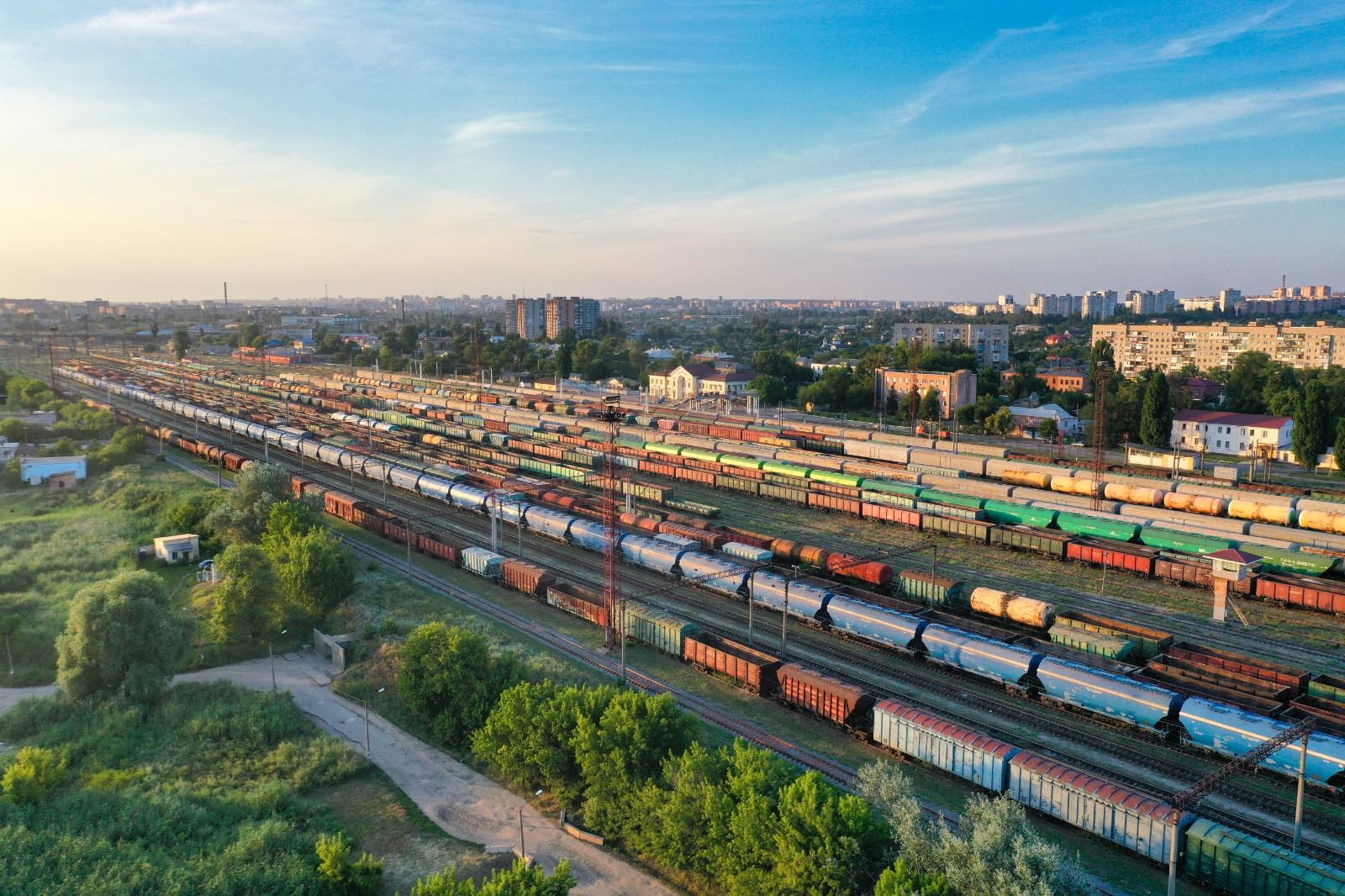
Port-to-Inland Logistics: Building More Resilient Supply Chains
Global supply chains are becoming increasingly complex. Port congestion, capacity constraints, changing trade routes, transportation costs and unexpected disruptions can affect the movement of cargo from origin to destination.
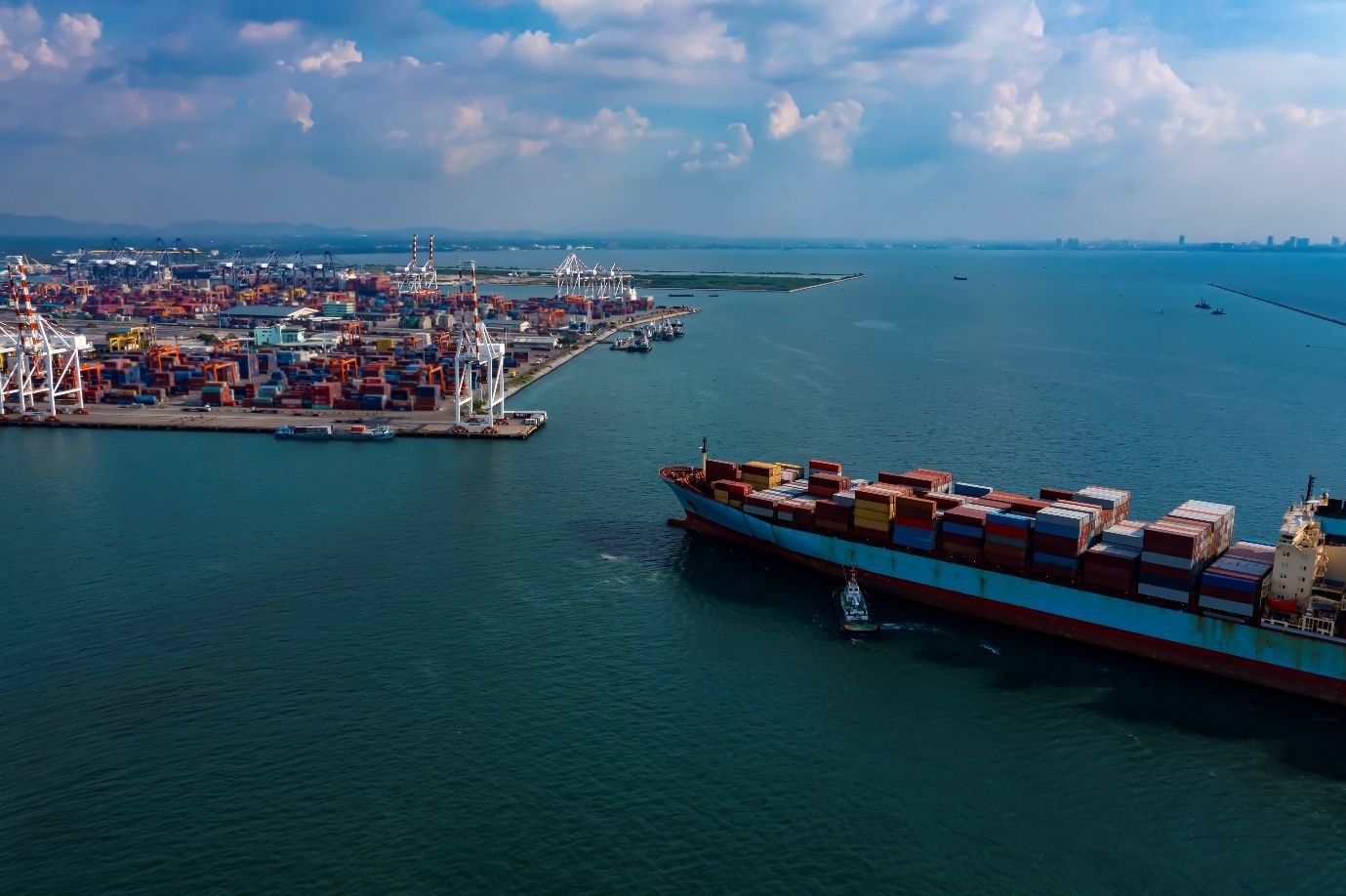
For businesses moving large volumes of goods, relying on a single transportation route can create additional exposure to disruption. This is driving greater interest in port-to-inland logistics, where cargo moves efficiently from a seaport towards inland logistics hubs, distribution centres or manufacturing locations using a combination of transport modes.
The objective is simple: create a supply chain that is more flexible, connected and resilient.
Why Port-to-Inland Logistics Is Gaining Importance
Traditionally, cargo arriving at a seaport may continue its journey through long-distance road transportation. While road freight provides flexibility, longer trucking distances can increase fuel consumption, operating costs, empty miles and dependency on available trucking capacity.
A port-to-inland model can change this equation.
Cargo can be transferred closer to the port and then moved inland through rail, road or multimodal transportation, depending on the destination and shipment requirements.
This approach can give businesses more options for managing cargo flows while reducing their dependence on a single transport corridor.
Diversifying Transportation Routes
Supply chain resilience is closely linked to diversification.
When a business depends heavily on one port, route or transportation mode, a disruption at any point can have a wider impact on inventory and delivery schedules.
Port-to-inland transportation creates additional routing possibilities. Instead of viewing the seaport as the final transportation point, businesses can consider it as the starting point of a wider inland distribution network.
This can support:
- Alternative transportation routes
- Better use of available rail capacity
- Reduced dependence on long-haul trucking
- Greater flexibility in distribution planning
- Improved response to transportation disruptions
The right combination will depend on cargo characteristics, destination, service requirements and total logistics cost.
Reducing Long-Haul Transportation Costs
One of the potential advantages of an inland logistics model is the reduction of unnecessary road mileage.
Long-distance trucking involves more than simply moving a container from one location to another. Businesses may also need to consider empty container movements, equipment availability, fuel costs, driver availability and regulatory requirements.
Moving cargo through an inland logistics hub can reduce the road distance between the port and the final distribution or manufacturing location.
When planned effectively, this can contribute to lower logistics costs, improved asset utilisation and more efficient cargo movement.
Rail and Multimodal Transport as Resilience Tools
Rail can play an important role in moving high volumes of cargo over longer inland distances.
A multimodal supply chain can combine the flexibility of road transportation with the capacity advantages of rail or other transport modes.
For example, a container may move from a port to an inland terminal by rail and then complete the final leg by truck. This allows each mode to be used where it is operationally most appropriate.
However, multimodal transportation requires coordination. Schedules, documentation, equipment, terminal capacity and cargo visibility need to work together to prevent delays during transfers.
Bringing Cargo Closer to the Supply Chain
Inland logistics facilities can also bring inventory closer to manufacturing locations, distribution centres and end markets.
This can be particularly relevant for industries where production depends on consistent material availability.
A delay in the movement of critical cargo can affect production schedules, customer fulfilment and downstream distribution. By positioning inventory strategically within inland logistics networks, businesses can create greater flexibility in how and when cargo is delivered.
The result is not simply faster transportation. It is a more connected approach to inventory and distribution management.
Visibility Makes Multimodal Logistics Work Better
Multiple transportation modes create more touchpoints. Without adequate visibility, this can make shipment management more complicated.
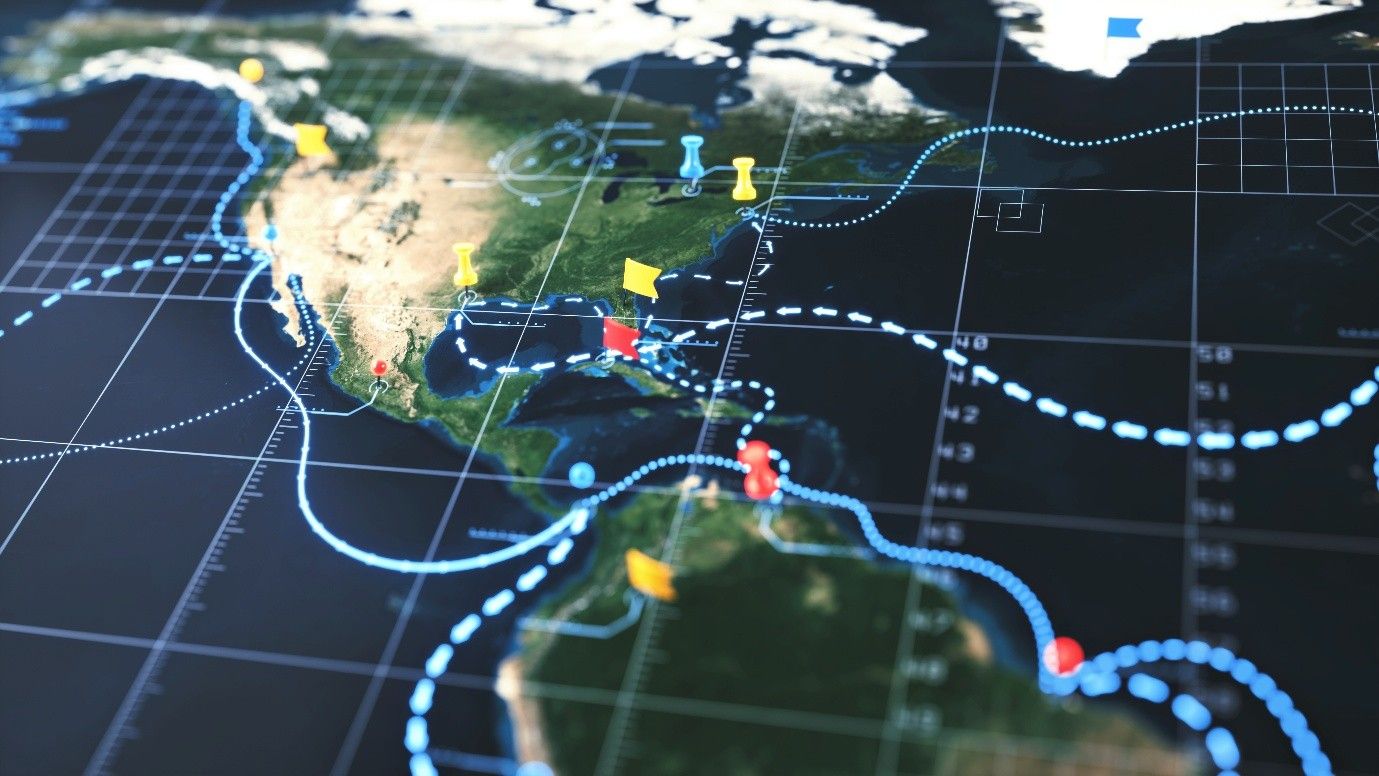
Digital supply chain platforms can provide visibility across purchase orders, shipments, transportation milestones, inventory and delivery schedules.
With better information, logistics teams can identify delays, coordinate transfers and make informed decisions before an operational issue affects the wider supply chain.
This is where real-time supply chain visibility becomes critical to multimodal logistics.
Building a More Flexible Logistics Network
Port-to-inland logistics should not be viewed simply as an alternative to road transportation. It can form part of a broader supply chain strategy focused on flexibility, cost efficiency and resilience.
Businesses can evaluate their logistics networks by considering:
- Port connectivity
- Inland terminal availability
- Rail and road capacity
- Warehouse locations
- Inventory requirements
- Transportation costs
- Cargo volumes
- Delivery timelines
- Risk exposure
The goal is to design a network where cargo has viable pathways even when conditions change.
Simplifying the Journey from Port to Destination
At 20Cube, we believe supply chain resilience starts with better connectivity and visibility.
By combining freight forwarding, warehousing, transportation, customs and technology, businesses can build more connected logistics networks that respond to changing operational requirements.
Port-to-inland logistics is one part of this larger transformation. When supported by the right infrastructure, multimodal planning and real-time visibility, it can help businesses move beyond route dependency and build supply chains designed for greater flexibility.
Because in a changing logistics landscape, resilience is not about having one perfect route. It is about having the right options, visibility and coordination to keep cargo moving.
Similar
Insights